Drinking Water Treatment, Purification & Potable Solutions
An advanced chemical engineering portfolio formulated in Algiers to remove turbidity, eliminate pathogenic hazards, prevent reverse osmosis scaling, and secure clean municipal potable water supply chains.
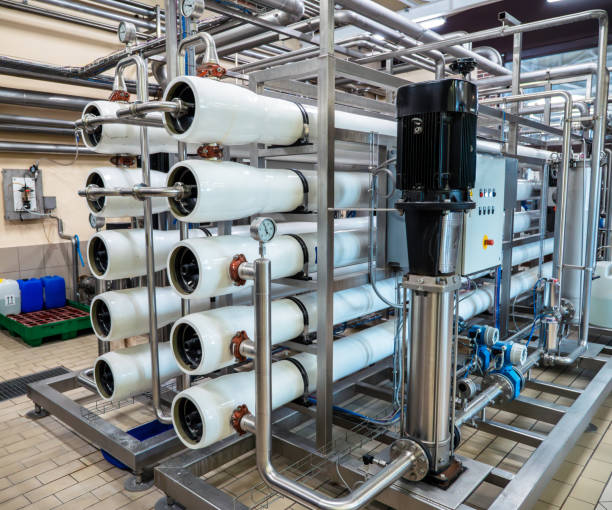
Multimedia Pretreatment Filtration
Securing Downstream System Integrity
Raw groundwater or surface reservoirs carry significant clay, sand, and particulate loads that quickly clog reverse osmosis (RO) membranes or municipal distribution piping.
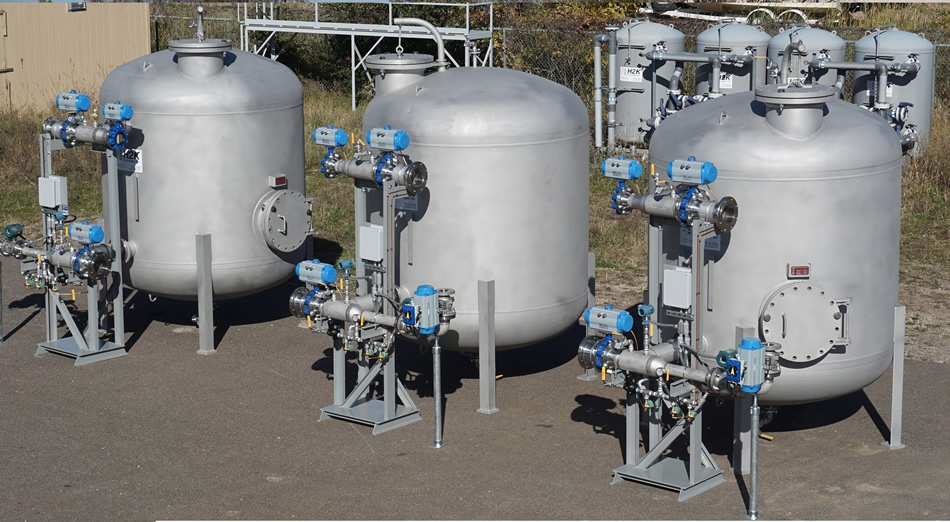
AquaKem's pre-treatment programs optimize media filtration beds. This ensures micro-particles are grouped and safely captured, stabilizing the Silt Density Index (SDI) and protecting expensive municipal membrane infrastructures.
Coagulation & Flocculation
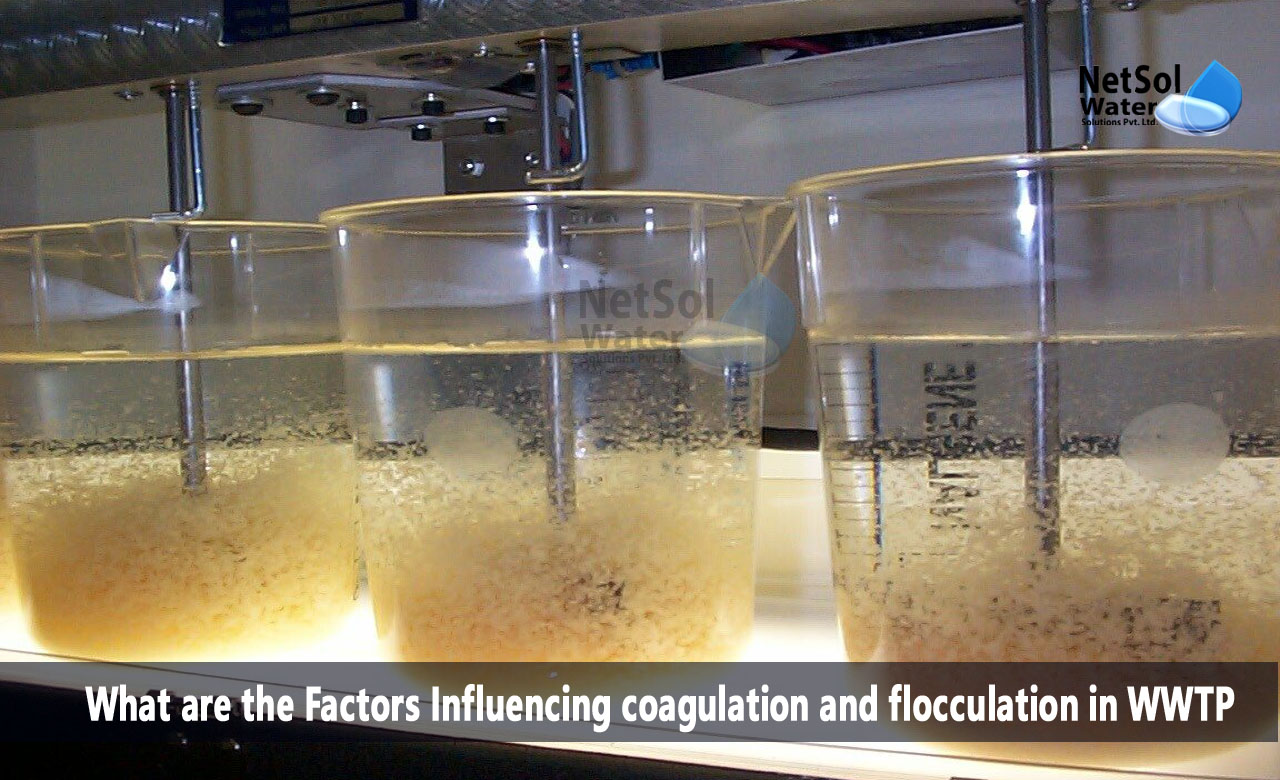
Removing Suspended Solids & Turbidity
- Charge Neutralization: Tailored inorganic coagulants neutralize negative electrostatic charges keeping colloidal particulates suspended in water.
- High Molecular Weight Flocculants: Bridging technology that binds microscopic particles into heavy macro-flocs for rapid gravity settling.
- pH and Coagulation Equilibrium: Achieving optimal hydroxide precipitation for a sparkling clear effluent.
Potability Integrity Standards
Meeting rigid regulatory thresholds for taste, safety, and dissolved contaminant limits before water reaches municipal distribution.
Heavy Metal Elimination
Potable water standards place rigid regulatory limits on dissolved lead, arsenic, iron, and manganese. AquaKem's targeted chemical precipitants and organic chelators safely reduce heavy metal concentrations down to trace levels before municipal delivery.
Odor & Foam Management
Odor compounds from organic and anaerobic decay yield musty, unpleasant profiles. AquaKem's advanced biological sanitizers and food-grade defoamers isolate volatile smell vectors, restoring standard taste and fresh olfactory quality.
Membrane & RO Purification
How reverse osmosis membrane chemistry filters microscopic salts, minerals, and viral pathogens to deliver high-quality potable water.
Reverse Osmosis for Drinking Water
Pure Potable Flow Assurance
Groundwater and brackish well reserves in North Africa often contain aggressive dissolved solids (TDS) and extreme mineral concentrations.
AquaKem's potable-certified antiscalants prevent calcium and sulfate crystals from nucleating on membrane surfaces. This preserves clean membrane flux, maximizes water recovery yields, and prevents costly structural degradation.
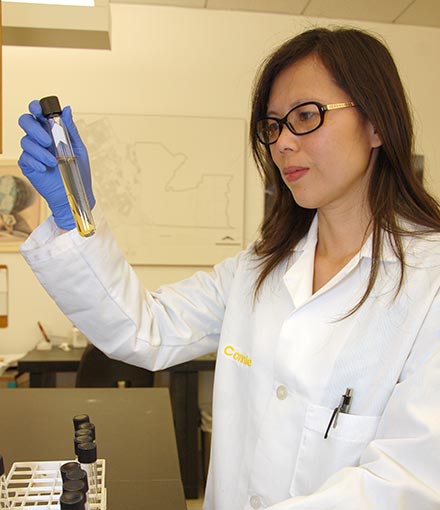
Laboratory Diagnostics & Field Audits
Engineering-First Support Program
Source water parameters change continuously depending on seasonal rains, aquifer spikes, and industrial runoff.
AquaKem Field Audits: Our certified technicians execute on-site jar testing, analytical water profiling, and dosing calibration. This guarantees optimized chemical usage, protecting municipal potable systems from chemical over-dosing and associated operational overhead.