A copper tube manufacturing plant in Djelfa faced critical scaling issues — forcing production shutdowns every 4 days — and turned to AquaKem for a sustainable chemical solution.
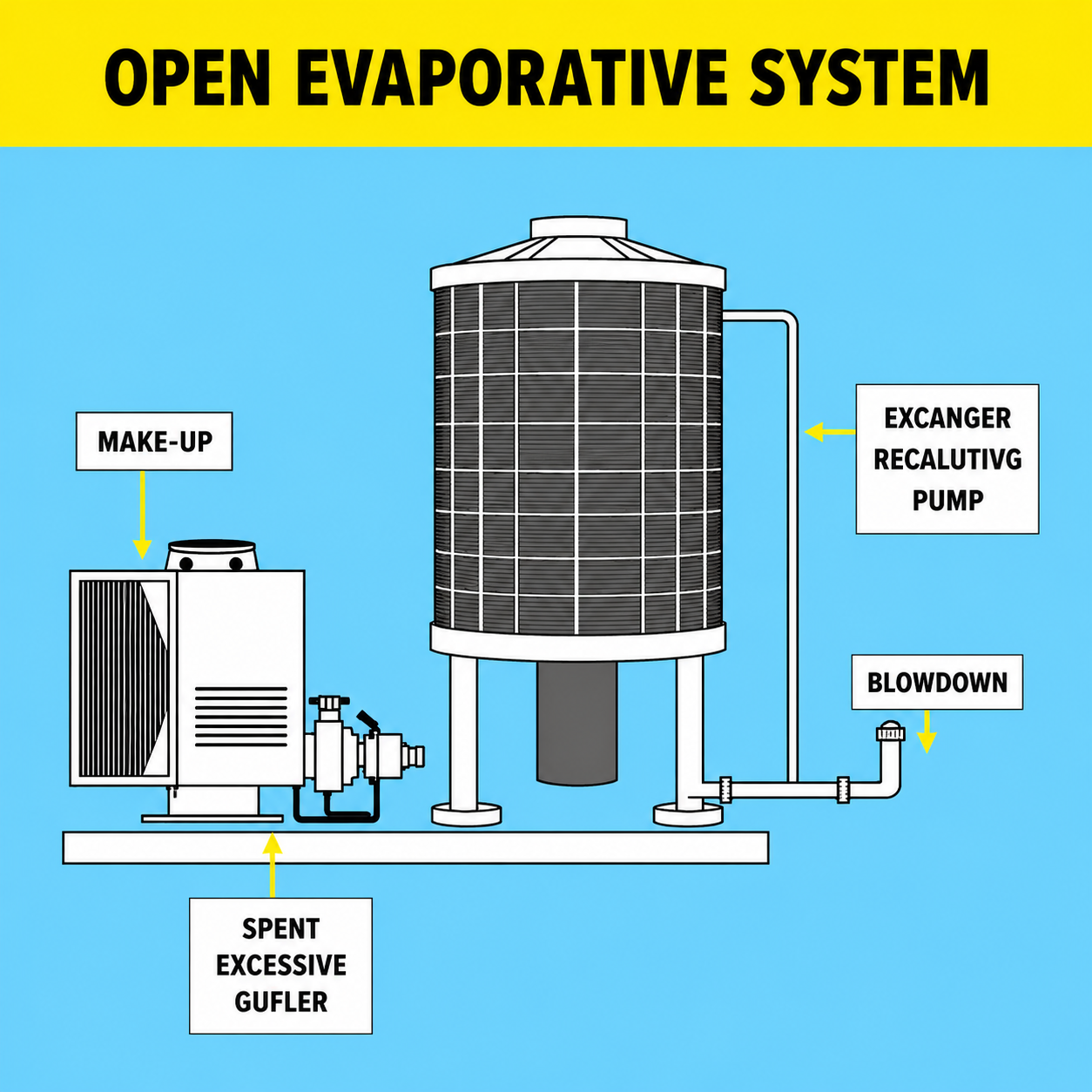
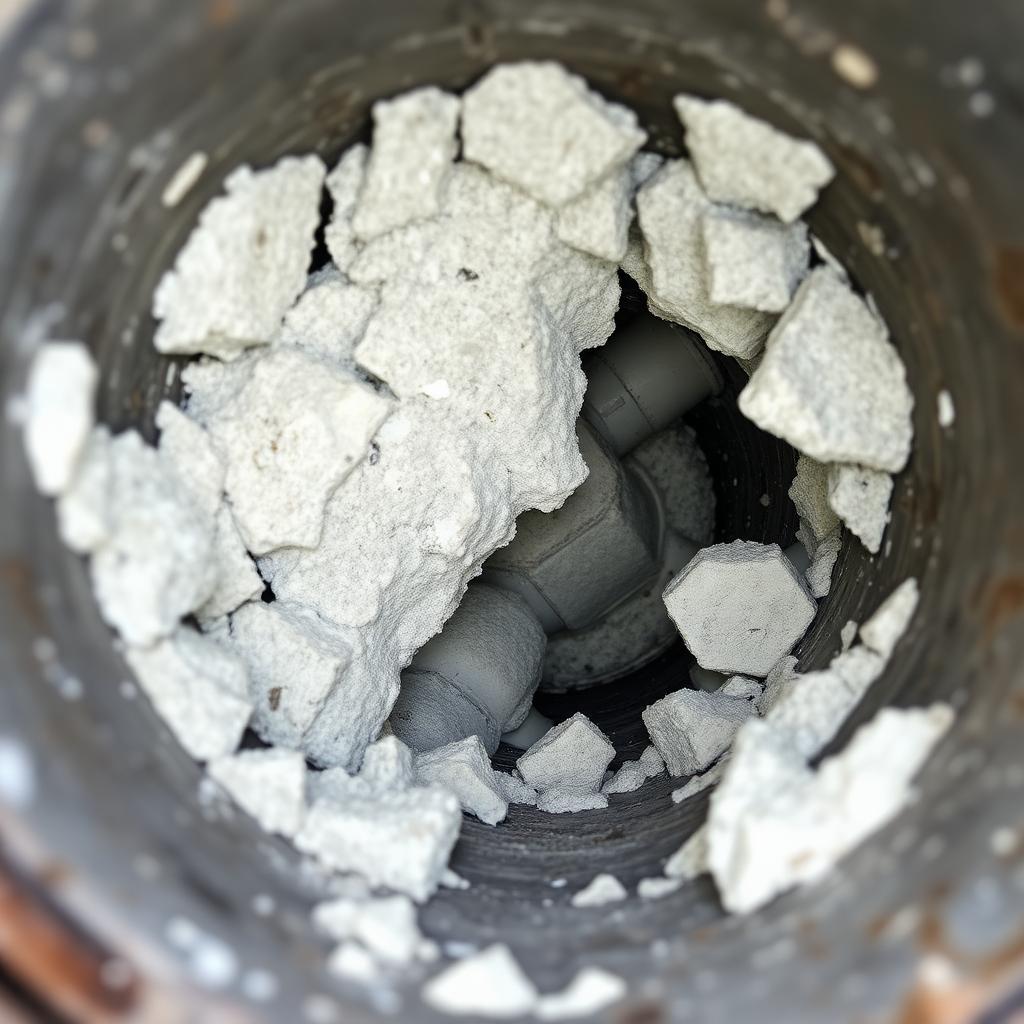
A copper tube manufacturing plant located in Djelfa encountered a serious scaling problem in the heat exchangers of its open cooling system. This forced them to shut down the plant every 4 days to manually clean the exchangers, which impacted production and increased the cost of their finished products. Moreover, manual cleaning had disastrous effects on the exchangers, accelerating their degradation and shortening their lifespan.
Copper tube manufacturing — Djelfa Plant
AquaKem's technical team audited the plant and identified the following issues:
Absence of cooling circuit blowdown, leading to increasing concentration of dissolved salts in the water.
No chemical treatment of the cooling water was in place, leaving metal surfaces unprotected against scaling.
These two combined factors caused rapid limescale deposits on the heat exchangers — requiring a complete shutdown every 4 days.
To control scale formation, an anti-scaling treatment must be applied by injecting a chemical inhibitor suited to the site's specific water quality. This product is dosed continuously in proportion to the blowdown.
Aquakem recommended dosing with AQUEST 2P100, a liquid formulation designed to inhibit deposit formation and reduce the retention of microparticles on equipment. Using this product helps extend system runtime and equipment lifespan, reducing operational and capital costs.
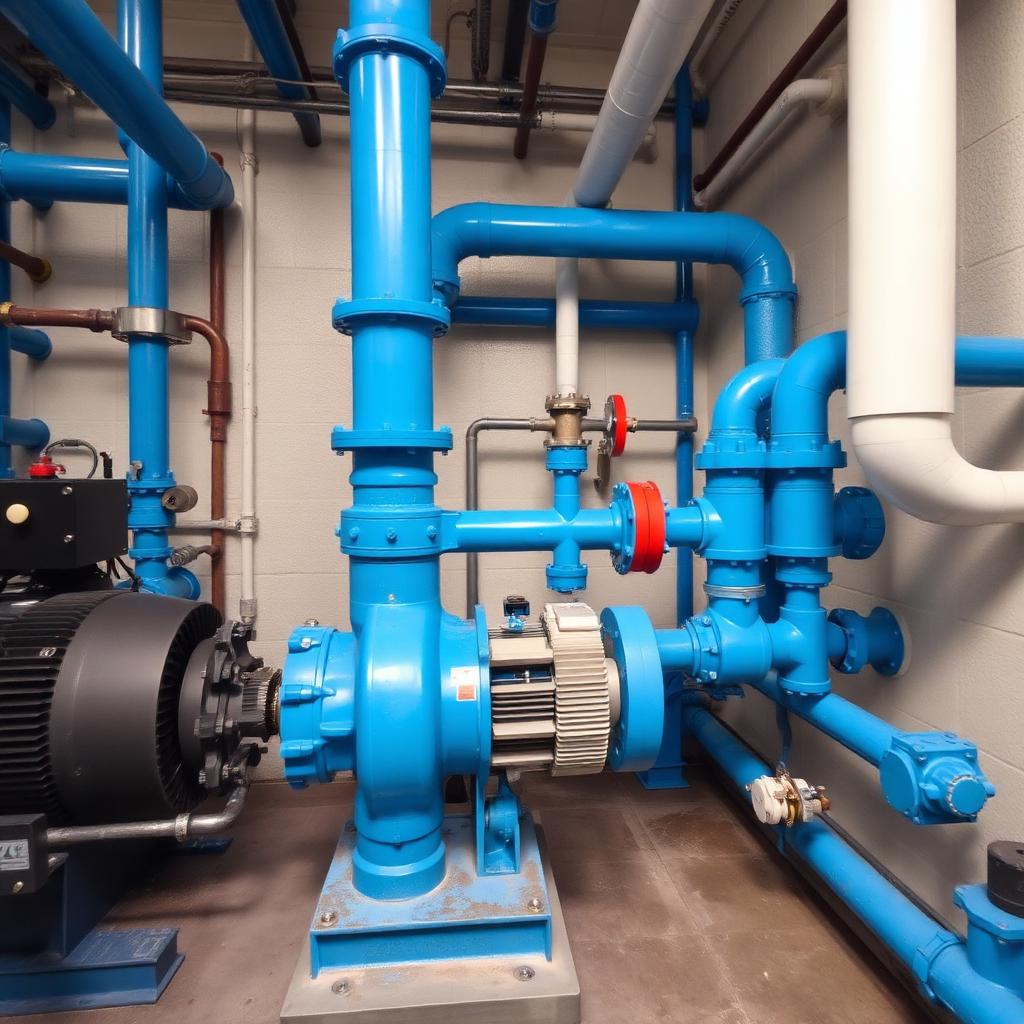
Continuous chemical inhibitor injection system
To maintain system efficiency and safety, it is necessary to implement appropriate water treatment monitoring as well as mechanical maintenance actions.
The preventive monitoring philosophy is based on regular maintenance and, in particular, monitoring the system's operating conditions. This can be achieved through the following measures:
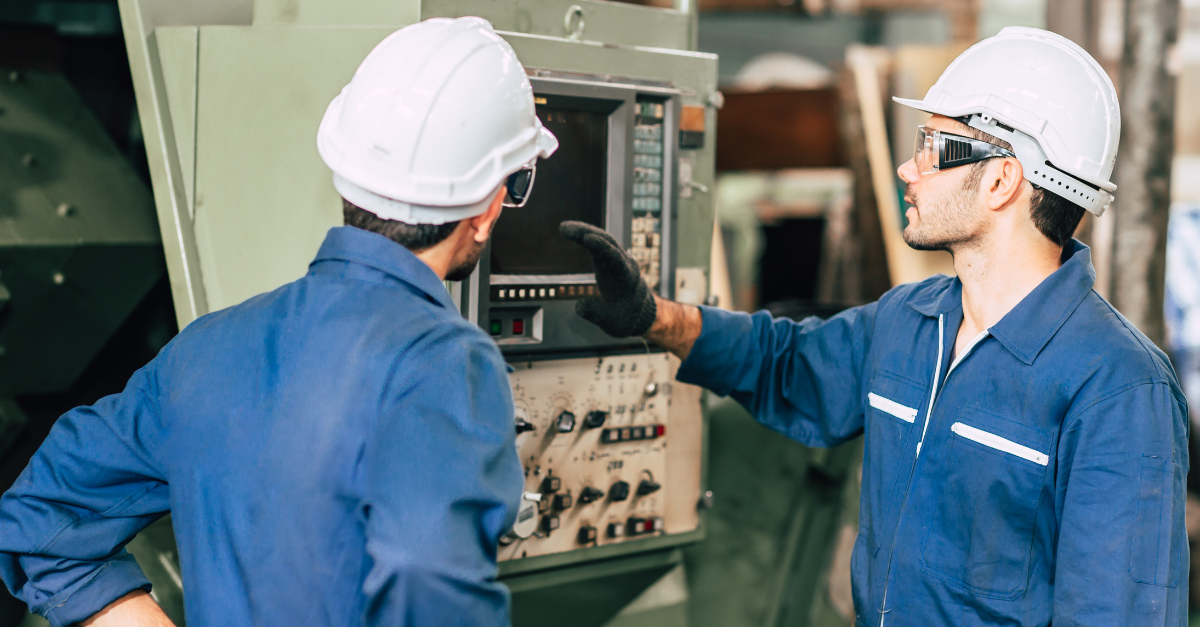
Preventive monitoring and operating condition control
The client implemented our recommendations and achieved the following results:
Immediate halt of scaling observed on the heat exchangers.
Increased production by avoiding plant shutdowns for cleaning the heat exchangers.
Reduced finished product cost by eliminating manual cleaning, which required mobilizing production technicians.
Better protection of heat exchangers and extended service life by completely eliminating manual cleaning.